
Request a call back
Surrogacy in thailand

Step-by-Step Surrogacy Process in Thailand: A Complete Guide for Intended Parents

Surrogacy has become a trusted pathway to parenthood for couples, singles, and LGBTQ+ families worldwide. Whether you are exploring a surrogacy center in Thailand, looking for reliable options for surrogacy for gay couples or researching specialized support through a surrogacy clinic in Bangkok, understanding the step-by-step journey is essential.

This guide breaks the entire surrogacy process into simple, clear, and manageable stages—from choosing a country to holding your baby for the first time.

Understanding Surrogacy: A Simple Introduction

Surrogacy is a medical and legal arrangement where a woman (the surrogate) carries and delivers a child for intended parents. It involves advanced reproductive technology (ART), usually IVF, to create an embryo using the intended parents’ or donors’ genetic material.

Intended parents choose surrogacy for many reasons:

  • Infertility or medical complications
  • Same-sex couples wanting to build a family
  • Single parents wanting genetic connection
  • Previous pregnancy challenges

Countries like Thailand are popular because of their medical standards, modern technology, and highly professional fertility specialists. Many parents especially explore gay surrogacy in Thailand due to accessible programs and supportive clinics.

Step-by-Step Surrogacy Process

Below is the complete process, explained in simple language for beginners.

Step 1: Choosing the Right Country for Surrogacy

The first major decision is selecting a country where surrogacy is legal, ethical, and well-regulated. Every destination has different rules regarding eligibility, cost, and parental rights.

Why Thailand is a top choice?
  • Advanced IVF technology
  • Internationally trained fertility doctors
  • Many reputable agencies and clinics
  • Options for surrogacy for gay couples in Thailand through ethical cross-border programs
  • Supportive medical environment

Parents seeking affordable and reliable services often consider a surrogacy center in Thailand as their starting point.

If you’re looking for global options, it is important to understand legal requirements, residency rules, and birth certificate procedures before finalizing the country.

Step 2: Selecting a Surrogacy Clinic or Agency

Once the country is selected, the next step is choosing a trusted clinic or agency. This is crucial because the clinic will guide you throughout the entire journey.

How to choose the best clinic or agency?
  • Check medical success rates
  • Understand their surrogate screening process
  • Look for transparent pricing
  • Review legal support services
  • Ensure emotional and medical support for the surrogate
  • Read testimonials from past parents

In Thailand, many intended parents prefer working with a surrogacy clinic in Bangkok due to its world-class medical facilities, advanced laboratories, multilingual staff, and easy international travel access.

Step 3: Initial Consultation & Case Assessment

After selecting the clinic/agency, you begin with an initial consultation.

What happens during this stage?
  • You share your medical history
  • Clinic reviews fertility challenges
  • Options like egg/sperm donation are discussed
  • You understand the timeline and cost
  • The legal framework is explained
  • A personalized surrogacy plan is created

This is when you get a clear picture of what your surrogacy journey will look like.

Step 4: Selecting the Surrogate Mother

Matching the right surrogate is one of the most sensitive and important steps.

How clinics screen surrogates?
  • Medical examinations
  • Psychological evaluation
  • Background checks
  • Pregnancy history review
  • Lifestyle assessment

A surrogacy center in Thailand or an international agency typically has a pool of pre-screened surrogate mothers who meet all medical and legal standards.

Intended parents may review profiles, understand their background, and choose a surrogate who feels right for them. Some programs allow video meetings with the surrogate.

Step 5: Medical Screening for Intended Parents

Before IVF begins, intended parents undergo medical testing to ensure they are ready for the procedure.

Tests may include:
  • Hormone evaluation (for intended mother or egg donor)
  • Semen analysis
  • Infectious disease screening
  • Ultrasound and ovarian reserve test
  • Blood grouping and immunity screening

These tests help fertility specialists create the best IVF plan possible.

Step 6: IVF Process and Embryo Creation

This is a key medical stage in the surrogacy journey.

Steps involved in IVF:
  1. Ovarian stimulation (for egg retrieval)
  2. Egg retrieval from the intended mother or donor
  3. Sperm collection from the intended father or donor
  4. Fertilization in the laboratory
  5. Embryo development and monitoring
  6. Embryo grading and selection

The clinic creates healthy embryos with the highest chance of successful pregnancy.

For parents exploring surrogacy for gay couples in Thailand, IVF may involve an egg donor combined with sperm from one or both partners. Clinics ensure the process is private, safe, and transparent.

Step 7: Embryo Transfer to the Surrogate

When embryos reach the blastocyst stage (usually day 5), the fertility doctor transfers the best-quality embryo into the surrogate’s uterus.

After embryo transfer:
  • Surrogate receives hormonal support
  • She follows light activity guidelines
  • A pregnancy test is done after 10–12 days

This stage is filled with hope and anticipation for intended parents.

Step 8: Pregnancy Care & Monitoring

The surrogate receives the highest level of prenatal care to ensure a smooth, healthy pregnancy.

Prenatal care includes:
  • Regular ultrasounds
  • Blood tests
  • Medical checkups
  • Diet and lifestyle guidance
  • Emotional support

A reputable surrogacy center in Thailand or a surrogacy clinic in Bangkok provides comprehensive support, ensuring the surrogate’s safety and comfort throughout the pregnancy.

Intended parents receive monthly reports, ultrasound videos, and updates. In many programs, parents can even attend major checkups through video calls.

Step 9: Preparing for Delivery & Birth Plan

As the due date approaches, the clinic, hospital, and legal team coordinate to create a clear delivery plan.

This includes:

  • Hospital selection
  • Birth plan preferences
  • Travel planning for international parents
  • Pre-birth legal paperwork
  • Insurance coverage for surrogate and baby

Intended parents usually travel close to the due date to welcome their child.

Step 10: Baby’s Birth and Immediate Care

This is the most emotional and rewarding stage. After birth:

  • The baby is handed to the intended parents
  • Newborn checkups are conducted
  • Hospital completes discharge procedures
  • The surrogate receives medical care and recovery support

Parents can finally spend time bonding with their newborn.

Step 11: Post-Birth Legal Process & Documentation

The final stage includes securing legal parenthood and arranging travel documents.

This may include:
  • Birth certificate issuance
  • DNA testing (if required by your country)
  • Parental orders or legal agreements
  • Passport and travel documentation for the baby

Clinics and agencies provide full legal assistance to ensure a hassle-free process.

This step ensures that you return home safely with your baby as the legal parent(s).

Final Thoughts

Surrogacy is an emotional and life-changing journey. Understanding the complete step-by-step surrogacy process helps intended parents prepare for every stage with confidence and clarity.

Whether you are considering a surrogacy center or researching surrogacy for gay couples in Thailand or exploring a trusted surrogacy clinic in Bangkok, proper guidance, medical expertise, and legal support can make your path to parenthood smooth and joyful.


Surrogacy laws around the world

Countries Where Surrogacy Is Allowed Around the World — A Clear, Friendly Guide for Intended Parents

Surrogacy laws are one of the most changeable areas of family and reproductive law. Rules differ wildly from country to country — sometimes even within a country (for example, by state or province). This guide gives a simple, up-to-date overview of countries where surrogacy is allowed, what the legal status usually looks like, common eligibility rules, and important things to check before you start. I’ve included country-by-country notes (including the USA, Canada, Mexico, Colombia, Argentina, Georgia, Kazakhstan, Ukraine, Greece, Czech Republic, UK, Australia, India and more) and reliable references for the major legal points below.

Quick note: laws change. Always confirm with a local legal expert and the latest government guidance before making decisions.

At a glance — how laws differ
  • Fully legal & regulated: some countries (or individual states) have specific laws that permit and regulate surrogacy.
  • Allowed but restricted: surrogacy may be legal only for certain people (married heterosexual couples, citizens/residents, or only altruistic arrangements).
  • Altruistic only: payment beyond reasonable expenses is banned (common in many Commonwealth countries and Canada).
  • No clear law / judicially permitted: some countries have no specific statute, but courts or constitutional rulings have allowed surrogacy under specific conditions.
  • Prohibited: some countries ban all surrogacy or specifically commercial surrogacy.

Country-by-country breakdown (simple, practical notes)

United States — Varies by state

Surrogacy laws in USA is no single U.S. federal surrogacy law; each state has its own rules. Some states are very surrogate-friendly (clear legal pathways and pre-birth orders), others limit or even prohibit commercial arrangements. Intended parents must pick the state carefully and get local legal counsel.

Canada — Legal, but commercial surrogacy is banned

Gestational surrogacy is allowed, but the federal Assisted Human Reproduction Act bans paying a surrogate (beyond reimbursable expenses). Parentage procedures are handled provincially, so processes vary.

Mexico — Legal but patchy; recent Supreme Court ruling opened access

Surrogacy law historically varied by state. In 2021 the Mexican Supreme Court issued rulings supporting access and struck down certain restrictive state rules — opening the door for broader access, but implementation still differs by state. Expect local rules and paperwork differences.

Colombia — Allowed; court rulings shape practice

Colombia does not yet have a single, detailed surrogacy statute, but the Constitutional Court has recognized and permitted surrogacy under rules designed to protect children’s rights and parties’ interests. Clinics and courts work together to regularize cases.

Argentina — No uniform national law; courts fill the gap

Argentina surrogacy laws lacks a single national surrogacy statute. Courts have sometimes authorized surrogacy and set conditions; in practice, intended parents often rely on judicial approval and legal counsel. Recent high-profile court decisions have shown the legal landscape can shift quickly.

Georgia — Permitted (popular destination)

Georgia allows surrogacy and has been a destination for international intended parents. Rules commonly require medical justification, and some recent political discussions have aimed at changing access for foreigners — so check current rules.

Kazakhstan — Legally permitted with regulations

Kazakhstan permits gestational surrogacy and has clear regulatory steps (often limited to married heterosexual couples in national law). The system is fairly structured and often used by foreign intended parents.

Ukraine — Historically permissive; check current status

Ukraine was a major international surrogacy destination (gestational surrogacy allowed; intended parents usually recognized quickly). Because of recent political instability and changing conditions, clinics and legal processes may be affected — verify up-to-date status before planning.

Greece — Legal with protections and judicial oversight

 Greece has a detailed legal framework (medical and civil code provisions) permitting altruistic gestational surrogacy under strict rules and court approval. Surrogacy in Greece is considered well-regulated but usually restricted to certain categories of intended parents.

Czech Republic — Allowed in practice; legal details matter

The Czech Republic permits medically assisted reproduction and surrogacy is practised; parentage and documentation often require court steps or administrative procedures. As with many countries, residency and genetic-link rules may apply — check local law.

United Kingdom — Legal but commercial surrogacy banned

Surrogacy agreements are legal in the UK, but commercial payment is illegal; only reasonable expenses can be paid to a surrogate. Surrogacy agreements are not automatically enforceable — intended parents usually apply for a parental order after birth.

Australia — Allowed, state laws vary; commercial surrogacy banned

Surrogacy in Australia, states and territories permit altruistic surrogacy and prohibit commercial surrogacy, but rules vary by state (eligibility, approvals, and parentage processes differ). If you’re an international intended parent, check both the local and your home country’s rules for bringing the child home.

India — Major restrictions (Surrogacy Regulation Act)

India changed rules in recent years: commercial surrogacy has been banned and only altruistic gestational surrogacy for certain eligible Indian couples is allowed under the Surrogacy (Regulation) Act and related rules. Foreign nationals/overseas citizens are generally not eligible. This is a key change from the older “fertility tourism” era.

Common eligibility rules (what countries typically check)

While rules vary, many jurisdictions require some combination of:

  • Medical evidence of infertility (or medical inability to carry).
  • Age limits for intended parents and/or surrogates.
  • Marital or relationship status (some countries limit to married couples; others permit singles or same-sex couples).
  • Residency or citizenship (some countries require intended parents to be residents or citizens; others allow foreigners).
  • Type of surrogacy — most countries prefer gestational surrogacy (surrogate not genetically related).
  • Psychological and medical screening for the surrogate and legal counselling for all parties.

Always get the exact checklist from a local fertility clinic and a family lawyer in that jurisdiction.

Quick checklist for intended parents

  1. Identify the country/state you’re considering and obtain the current government guidance or a local lawyer’s confirmation.
  2. Confirm who can be intended parents (marital status, residency, sexual orientation).
  3. Confirm legal parentage route (pre-birth order, birth certificate process, parental order).
  4. Confirm whether commercial compensation is permitted.
  5. Check citizenship/exit requirements for the newborn.
  6. Choose a reputable clinic, lawyer, and agency; insist on independent legal advice for the surrogate.

Final summary — friendly takeaway

Surrogacy is allowed in many places, but the rules are wildly different — even within countries. Some nations welcome international intended parents and have clear, protective laws; others limit access to residents or permit only unpaid (altruistic) surrogacy. Your top action is simple: confirm the latest local law + get local legal counsel before you commit. That single step prevents most of the heartbreak and delays that cause families to wait months or years.

Ethical Aspects of Surrogacy

Emotional and Ethical Dimensions of Surrogacy

Surrogacy is not merely a clinical or legal process—it is a deeply emotional and ethically nuanced journey for all individuals involved. In 2025, with the rising awareness and increasing global prevalence of assisted reproductive technologies, the emotional experiences of surrogates and intended parents, as well as the ethical dilemmas surrounding surrogacy, have come into sharper focus. This blog explores these dimensions, offering a holistic perspective for anyone considering or engaging with surrogacy.

Emotional and Ethical Aspects of Surrogacy

Emotional Experiences of Intended Parents

Intended parents often embark on the surrogacy journey after facing prolonged struggles with infertility, recurrent pregnancy loss, or health conditions that prevent them from carrying a pregnancy. The road to parenthood through surrogacy is paved with emotional highs and lows.

Feelings of hope and excitement may be intertwined with anxiety, helplessness, and even guilt. Actress Gabrielle Union, in a widely publicised interview, candidly shared her emotional experience with surrogacy. She expressed a sense of personal failure and public vulnerability for not being able to carry her child herself. However, she also highlighted the immense gratitude and love she felt for her gestational surrogate and the joy of becoming a mother.

international surrogacy

Such narratives reveal how surrogacy can challenge deeply held beliefs about parenthood, identity, and femininity. The emotional strain of handing over control of the pregnancy to another person, however trusted, can be difficult. Many intended parents struggle with fears about the health of the baby, the surrogate’s well-being, and the uncertainty of legal outcomes, especially in countries where surrogacy laws are ambiguous or evolving.

To navigate these complexities, psychological counselling is essential. Mental health support helps intended parents manage expectations, address underlying emotions, and prepare for their new role as parents. Participation in support groups or connecting with others who have experienced surrogacy can also offer a valuable perspective and reassurance.

Emotional Challenges for Surrogates

Surrogates, too, undergo a range of emotional experiences that are often underreported. While many surrogates describe their role as deeply meaningful—enabling them to help others fulfil their dream of becoming parents- they may still face moments of emotional turmoil.

One common concern is the potential emotional attachment to the baby. Even when the pregnancy is established with full awareness that the child is not genetically related to the surrogate (in gestational surrogacy), the hormonal and physical bonding that occurs during pregnancy can lead to complex feelings at the time of relinquishing the baby.

There may also be societal judgment or misunderstanding from friends, family, or community members who do not fully comprehend the surrogate’s motivations or role. Some surrogates face questions that challenge their integrity or intentions, which can be emotionally draining.

To address these issues, rigorous psychological screening and continuous emotional support are critical. Many reputable surrogacy programs now provide surrogates with access to mental health professionals before, during, and after the pregnancy. This support can help surrogates process their emotions, maintain healthy boundaries, and receive the recognition they deserve for their vital role.

Ethical Considerations in Surrogacy

Surrogacy brings with it a host of ethical questions, particularly when it involves financial compensation. The primary ethical concern lies in the potential exploitation of economically disadvantaged women, especially in countries where legal protections for surrogates are weak or nonexistent.

Critics argue that commercial surrogacy can commodify both women’s bodies and children. They fear that the practice may devolve into a transactional arrangement, where the surrogate’s autonomy is compromised, and the welfare of the child becomes secondary to contractual obligations.

Conversely, proponents of surrogacy argue that, with appropriate safeguards, surrogacy is a legitimate and empowering choice for women. When entered into freely and with full awareness, surrogacy can allow women to support their families financially while giving intended parents the opportunity to create a family.

Ethical surrogacy requires transparency, fairness, and respect for the dignity of all involved. This includes ensuring informed consent, providing adequate compensation, and offering continuous legal and emotional support.

Informed Consent and Autonomy

Informed consent is a cornerstone of ethical surrogacy. Both surrogates and intended parents must be fully educated about every aspect of the process—from medical risks and psychological impacts to legal and financial implications.

For surrogates, this means understanding the physical demands of pregnancy, the emotional implications of carrying a child for someone else, and the legal relinquishment process. It is crucial that surrogates enter into these arrangements voluntarily, without pressure from family, partners, or financial desperation.

Intended parents, too, must understand their responsibilities, including covering medical and legal costs, and the importance of treating their surrogate with respect and care. Communication, empathy, and a collaborative mindset are essential for building a respectful and supportive relationship.

International surrogacy arrangements pose additional ethical challenges. Language barriers, cultural differences, and unequal power dynamics can complicate the ability to secure truly informed consent. Therefore, engaging ethical agencies with a proven track record and working within countries that enforce protective legislation is highly recommended.

Technological Advancements and Ethical Implications

Reproductive technologies have advanced rapidly, making surrogacy more accessible and effective. Procedures such as preimplantation genetic diagnosis (PGD) and embryo screening now allow for the selection of embryos based on genetic health, and in some cases, even gender.

While these tools can help prevent the transmission of genetic disorders, they also introduce new ethical dilemmas. Critics warn of a slippery slope toward “designer babies” and question whether such practices may reinforce societal biases or contribute to a eugenics mentality.

As technology evolves, so must our ethical frameworks. Policymakers, ethicists, and medical professionals must work together to establish guidelines that protect the interests of surrogates, intended parents, and children, without stifling beneficial innovation.

Conclusion

Surrogacy is a profoundly emotional and ethically intricate journey that requires thoughtful consideration and compassionate care. For intended parents, it offers hope and the possibility of family; for surrogates, it can be an empowering act of generosity. However, both experiences are accompanied by emotional vulnerabilities and ethical responsibilities.

To ensure a positive and respectful surrogacy journey, all parties must engage with transparency, empathy, and professional guidance. Emotional support systems, clear legal agreements, and strong ethical oversight are essential to making surrogacy not only a medical success but a human one.

By acknowledging the emotional realities and ethical complexities of surrogacy, we can foster a more compassionate and responsible surrogacy ecosystem—one that honors the experiences and dignity of everyone involved.

global surrogacy laws in 2025

Navigating Global Surrogacy Laws in 2025: A Comprehensive Guide for Intended Parents

14 May 2025 Surrogacy

Surrogacy has become an increasingly viable option for individuals and couples facing fertility challenges. However, the legal landscape surrounding surrogacy varies significantly across countries and is continually evolving. In 2025, several nations introduced new laws and regulations that impact both domestic and international surrogacy arrangements. This comprehensive guide explores these changes and provides insights for intended parents navigating the complex world of global surrogacy.

Global Surrogacy Laws in 2025

Italy’s Expanded Surrogacy Ban

In a significant move, Italy has extended its surrogacy ban to include citizens who seek surrogacy services abroad. This law, passed in October 2024, imposes penalties of up to two years in jail and fines up to 1 million euros for violators. The legislation aims to uphold traditional family values and has been criticised for disproportionately affecting same-sex couples, who already face barriers to adoption and parental rights in Italy.

Greece’s Restrictions on Surrogacy

Greece has announced plans to ban surrogacy for single men and male same-sex couples. Justice Minister Giorgos Floridis stated that the decision aims to clarify legal understandings of incapacity to bear a child, emphasising that this incapacity is not related to one’s gender. This move comes despite Greece’s recent legalisation of same-sex marriage, highlighting the ongoing debate over surrogacy rights in the country.

Ireland’s Legalisation of Commercial Surrogacy

In contrast, Ireland has passed the Health (Assisted Human Reproduction) Act 2024, legalising commercial surrogacy and becoming the first EU country to do so. While this development has been welcomed by some, it has also raised concerns about potential exploitation and human trafficking. The Irish Human Rights and Equality Commission has criticised the law, arguing that it may lead to the trafficking of women for surrogacy and violate EU obligations to prevent such exploitation.

India’s Surrogacy Regulations

India, once a global hub for commercial surrogacy, has implemented strict regulations under the Surrogacy (Regulation) Act, 2021. The law permits only altruistic surrogacy for Indian married couples who have been married for at least five years and meet specific age criteria. Single men are not eligible, and foreign intended parents are prohibited from seeking surrogacy services in India.

Canada’s Altruistic Surrogacy Model

Canada allows only altruistic surrogacy, where surrogates can be reimbursed for reasonable expenses but cannot receive payment beyond that. This model aims to prevent the exploitation of women while still providing a legal framework for surrogacy arrangements. Intended parents must navigate provincial laws, as regulations can vary across provinces. Source

United Kingdom’s Surrogacy Framework

The UK permits altruistic surrogacy, with surrogates allowed to receive reasonable expenses. However, the surrogate is considered the legal mother at birth, and intended parents must apply for a parental order to become the legal parents. This process can be complex and time-consuming, requiring careful legal planning. Source

United States: A Patchwork of Laws

In the United States, surrogacy laws vary by state. Some states, like California, have favourable laws that support both altruistic and compensated surrogacy. Others have restrictive or unclear regulations. Intended parents must carefully research state laws and work with experienced professionals to ensure legal compliance. Source

Navigating Cross-Border Surrogacy

With varying laws across countries, cross-border surrogacy presents numerous legal challenges. Intended parents must navigate issues such as citizenship, parental rights, and the enforceability of surrogacy agreements. Working with experienced surrogacy lawyers and agencies can help mitigate these risks and ensure compliance with all relevant laws.

Conclusion

As surrogacy laws continue to evolve globally, intended parents must stay informed and seek professional guidance to navigate the complex legal landscape. Understanding the regulations in both the surrogate’s country and their own is crucial to ensuring a smooth and legally sound surrogacy journey.

Choosing the Right Surrogacy Destination: Top Countries for Intended Parents in 2025

For intended parents embarking on the surrogacy journey, choosing the right destination is one of the most critical decisions. Surrogacy laws, costs, availability of quality medical care, and legal protections for parents and surrogates vary greatly across the globe. In 2025, international surrogacy continues to evolve with more inclusive policies and safer processes for everyone involved.

In this guide, we’ll explore the top surrogacy destinations for 2025, break down what to consider before choosing a country, and explain how Become Parents helps you navigate the global surrogacy process smoothly and securely.

What Makes a Country Ideal for Surrogacy in 2025?

When evaluating surrogacy destinations, consider the following factors:

  1. Legal Clarity and Parental Rights: Are intended parents legally recognized as the child’s parents at birth? Are contracts enforceable?
  2. Cost and Accessibility: Are surrogacy services affordable? Are there travel and logistical barriers?
  3. Medical Infrastructure: Are IVF clinics and hospitals well-equipped and regulated?
  4. Inclusivity: Does the country allow surrogacy for LGBTQ+ couples, single parents, or foreign nationals?
  5. Surrogate Support: Are surrogates protected, fairly compensated, and well-cared for throughout the process?

Top Surrogacy Destinations for 2025

Let’s take a closer look at the most surrogacy-friendly countries this year:

Surrogacy Destinations for 2025

1. Georgia

  • Who is eligible: Heterosexual married couples only.
  • Legal framework: Surrogacy is legal and contracts are binding.
  • Cost: Lower than Western countries. Total expenses range from $40,000 to $60,000 USD.
  • Why choose Georgia: High-quality clinics, legal security, and experienced agencies make Georgia a reliable option.

Become Parents has a strong presence in Georgia, with partnerships with top fertility centers and local legal experts to ensure a seamless process.

2. Mexico

  • Who is eligible: Heterosexual couples, single individuals, and same-sex couples.
  • Legal framework: Surrogacy is regulated at the state level. Certain regions (like Tabasco and Sinaloa) are more surrogacy-friendly.
  • Cost: Moderate—typically $50,000 to $75,000 USD.
  • Why choose Mexico: Proximity to the U.S. for North American parents, more inclusive policies, and a growing network of IVF clinics.

Become Parents offers carefully curated surrogacy programs in Mexico, with legal support tailored to diverse family types.

3. Colombia

  • Who is eligible: Open to all—single parents, LGBTQ+ couples, and heterosexual couples.
  • Legal framework: Legally supportive of surrogacy with clear parental rights.
  • Cost: Around $50,000 to $65,000 USD.
  • Why choose Colombia: Inclusive policies, strong IVF infrastructure, and supportive legislation.

Our Colombia-based programs emphasize transparency, surrogate care, and legal protection from day one.

Surrogacy in Colombia

4. United States (Selective States)

  • Who is eligible: All types of families.
  • Legal framework: States like California, Oregon, and Illinois have the best surrogacy laws.
  • Cost: High—ranging from $100,000 to $150,000 USD.
  • Why choose the U.S.: Highest success rates, legal clarity, and advanced medical care.

Though the U.S. is a premium option, some parents opt for dual-country models (e.g., embryos created in the U.S. but surrogacy carried out abroad).

How Become Parents Helps You Choose the Right Destination

With so many variables at play, choosing a destination isn’t easy. Become Parents acts as your international guide:

  • Personalized Consultations: We assess your eligibility, preferences, and budget to recommend the most suitable countries.
  • Legal Coordination: Our global legal partners help you understand laws, parental rights, and birth registration processes.
  • Medical Referrals: We partner only with vetted IVF clinics that maintain international quality standards.
  • Surrogate Screening and Support: All surrogates go through medical, psychological, and legal evaluations. We ensure their well-being is protected throughout.

Why International Surrogacy May Be Right for You

Many intended parents look abroad because:

  • Domestic surrogacy laws are restrictive or unclear.
  • The cost of domestic programs is too high.
  • They want access to experienced international clinics and surrogates.
  • They seek greater inclusivity based on marital status or sexual orientation.

Important Considerations Before Going International

international surrogacy

  • Documentation: Ensure you can acquire birth certificates, travel documents, and passports for your baby post-birth.
  • Citizenship Laws: Some countries grant citizenship by descent or birth; others don’t. Be sure to check your home country’s rules.
  • Travel & Time: You may need to spend several weeks in the destination country for medical appointments, surrogate support, or legal clearance post-birth.
  • Insurance: Travel, medical, and newborn insurance is essential. Our team will guide you in choosing the right policies.

A couple from the UK, were unsure where to pursue surrogacy due to the legal limitations in their home country. After a consultation with Become Parents, they selected Mexico for its inclusivity and affordability. From legal briefings to selecting a clinic and surrogate, our team supported them throughout. Their daughter Mia was born a year ago, and today, they’re helping raise awareness about international surrogacy through advocacy.

FAQs: Choosing a Surrogacy Destination

Q: Which country is best for LGBTQ+ surrogacy?
A: Mexico and Colombia are excellent choices due to inclusive laws and affordable, high-quality care.

Q: Can I transfer embryos from one country to another?
A: Yes, but it involves legal and medical logistics. Become Parents manages these transfers professionally.

Q: How do I ensure my baby gets a passport?
A: Our legal team works with your home country’s embassy to secure citizenship and documentation.

Surrogacy is a global journey, and the right destination can make all the difference. Whether you prioritize cost, legal clarity, inclusivity, or medical quality, Become Parents helps you navigate it all. With partnerships in top surrogacy hubs and personalized support every step of the way, we ensure your journey is safe, ethical, and successful.

Not sure where to begin your surrogacy journey? Book a free consultation with Become Parents and let our team match you with the best destination for your family dreams.

Is Surrogacy Right for You? A Guide to Understanding Your Options in 2025

Surrogacy has become an increasingly popular path to parenthood for individuals and couples facing infertility, medical issues, or other challenges that make traditional conception difficult. So, about your options in 2025, the surrogacy landscape is more accessible and regulated than ever before, making it a viable option for many hopeful parents.

But is surrogacy right for you? This comprehensive guide explores the types of surrogacy, the latest trends, key questions to ask yourself, and how Become Parents can help you every step of the way. With the emotional, financial, and legal factors involved, choosing surrogacy is a deeply personal decision that should be made with clarity and confidence.

Understanding the Types of Surrogacy

There are two primary types of surrogacy:

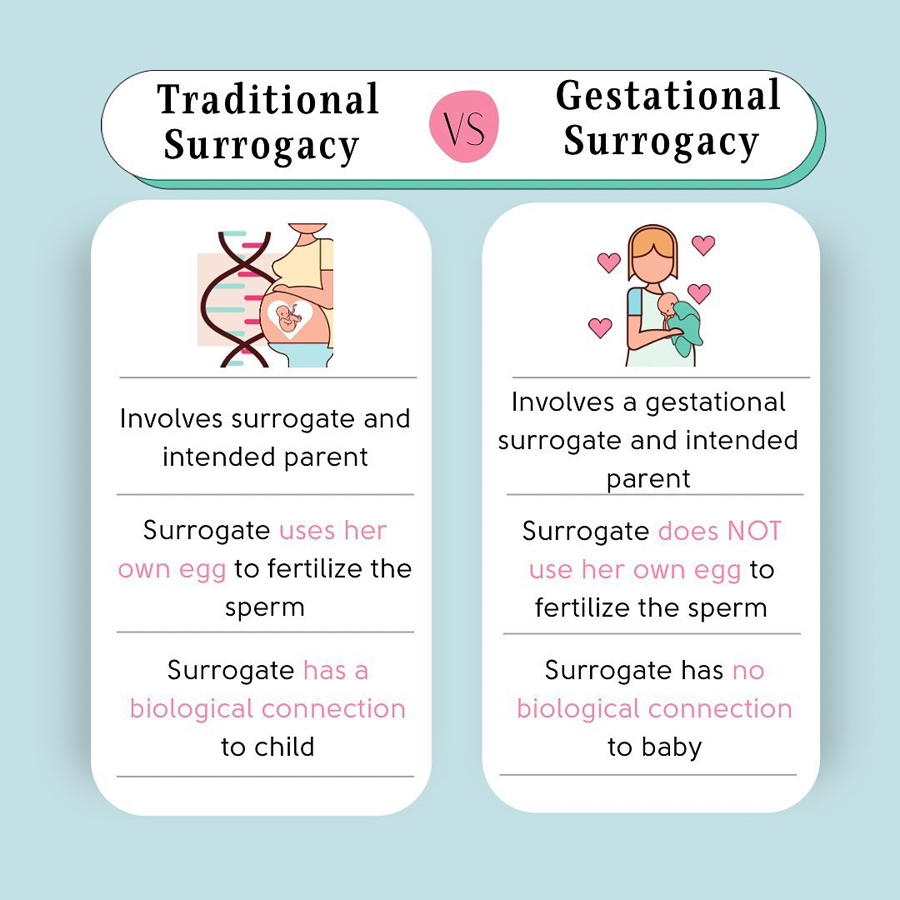
  1. Gestational Surrogacy: The most common type in 2025, gestational surrogacy involves the implantation of an embryo created via IVF using the egg and sperm of the intended parents or donors. The surrogate, in this case, has no genetic relationship to the baby. This is preferred because it separates biological connection from the surrogate’s role, simplifying legal rights and emotional boundaries.

  2. Traditional Surrogacy: Less common today due to legal and emotional complexities, traditional surrogacy uses the surrogate’s own egg, making her the biological mother of the child. Although it is less favored today, some cases still utilize traditional surrogacy, particularly where gestational options are limited.

Most agencies and intended parents opt for gestational surrogacy due to its legal clarity and reduced emotional complications.

types of surrogacy

Why Choose Surrogacy?

Surrogacy is an empowering choice for many individuals and couples. You may consider it if:

  • You’ve experienced recurrent pregnancy loss or failed IVF cycles.

  • You have a medical condition that makes pregnancy unsafe.

  • You are part of an LGBTQ+ couple looking to start a family.

  • You’re a single parent who dreams of having a biological child.

  • You have a genetic disorder that you do not wish to pass on through natural conception.

Surrogacy enables intended parents to maintain a biological link with their child while receiving support from a third party who carries the pregnancy.

2025 Surrogacy Trends

Several trends have shaped the surrogacy landscape this year:

  • Global Legalization: More countries are opening their doors to ethical, compensated surrogacy. Governments are increasingly recognizing the rights of both intended parents and surrogates.

  • LGBTQ+ Family Building: Agencies are now more inclusive and better equipped to support diverse family structures. Legal frameworks are evolving to protect same-sex parents more effectively.

  • Increased Transparency: There’s greater emphasis on legal contracts, surrogate screening, and mental health support.

  • Improved Success Rates: With advancements in IVF and embryo freezing technologies, the success rates for pregnancies through surrogacy have reached all-time highs.

Is Surrogacy the Right Path for You?

options in 2025

Ask yourself the following:

  • Are you emotionally prepared for the journey? Surrogacy involves trust, patience, and collaboration with a surrogate. You will need to build a bond with your surrogate and trust medical professionals throughout the process.

  • Are you financially ready? Costs vary depending on location, legal fees, medical expenses, and surrogate compensation. You should be prepared for both expected and unforeseen expenses.

  • Do you understand the legal aspects? Surrogacy laws differ across countries and states. A qualified agency can guide you through jurisdictional differences and ensure your parental rights are recognized.

Emotional and Psychological Aspects

Many intended parents underestimate the emotional aspects of surrogacy. It’s important to consider:

  • How will you manage the emotional ups and downs?

  • Are you ready to rely on another person to carry your child?

  • How will you handle the relationship with your surrogate during and after the pregnancy?

Counseling is often recommended for intended parents to prepare mentally and emotionally for the surrogacy journey.

How Become Parents Can Help

At Become Parents, we provide comprehensive support for intended parents worldwide. Here’s how we guide you:

  • Surrogate Matching: We connect you with thoroughly screened, compassionate surrogates. Every surrogate is evaluated medically, psychologically, and legally to ensure she’s ready to support your family-building journey.

  • Legal Coordination: We ensure all legal contracts and rights are protected in both local and international surrogacy programs. Our legal partners work across jurisdictions to provide peace of mind.

  • Medical Support: We work with top IVF clinics to give you the best chance of success. You’ll receive guidance at every stage of embryo creation, transfer, and prenatal care.

  • Emotional Guidance: From start to finish, we provide counseling and support to both intended parents and surrogates. Building a family through surrogacy can be emotional, and we’re here to help you navigate it.

Our Global Presence

surrogacy for gay couples in Canada

Become Parents offers surrogacy programs in surrogacy-friendly countries such as Georgia, Mexico, and Colombia. Our local partners handle all in-country logistics, making the process seamless and worry-free. Each country offers unique advantages:

  • Georgia: Legally secure and cost-effective for married heterosexual couples.

  • Mexico: Inclusive policies for same-sex couples and single parents.

  • Colombia: Flexible legal recognition for diverse family types with experienced IVF clinics.

A couple from Australia struggled with infertility for over a decade. After contacting Become Parents, they were matched with a surrogate in Georgia. Nine months later, they welcomed their baby boy. “Become Parents made the process simple, transparent, and full of hope,” says IP. Their surrogate, Mariam, expressed her joy in helping another couple become a family, highlighting the mutual respect and care nurtured throughout the journey.

Frequently Asked Questions

Q: How long does the surrogacy process take?
A: On average, the journey from consultation to baby’s birth takes 12–18 months, depending on legal and medical factors.

Q: Can I choose the surrogate?
A: Yes. You will have the opportunity to review surrogate profiles and make an informed choice.

Q: Will I be involved in the pregnancy?
A: Most surrogates and intended parents maintain regular communication, and many intended parents attend medical appointments virtually or in person.

Final Thoughts

Surrogacy can be a transformative experience. With the right guidance and support, your dream of parenthood is within reach. As many options in 2025 bring more clarity, access, and inclusivity to the surrogacy process, there’s never been a better time to explore this path. Ready to start your journey? Contact Become Parents today and take the first step toward building your family.

surrogacy support

Helping Children Adjust to a New Sibling After Surrogacy: A Comprehensive Guide

Surrogacy is a life-changing and beautiful journey that allows families to grow in extraordinary ways. The joy of welcoming a new baby is universal, yet when a child is born via surrogacy, the dynamics of family life can look a little different. For parents who already have children, the arrival of a new sibling through surrogacy can raise unique challenges, especially in helping the older child on how to guide your child adjust to the new family dynamic.

Whether you’ve recently chosen surrogacy or are about to, it’s important to prepare your child for the arrival of a sibling in a way that honours their emotions, answers their questions, and helps them build a strong bond with the baby. In this article, we will explore practical surrogacy support tips on how to guide your child through the transition and make the journey to siblinghood an exciting, positive experience for everyone.

How to guide your child about the surrogacy decision

Step 1: Start the Conversation Early

One of the most important steps in helping your child adjust to a new sibling via surrogacy is starting the conversation early. For children, unfamiliar situations can cause anxiety or confusion, especially if they aren’t clear on how the baby is coming into the world. Whether the child is an older sibling or a younger one, giving them ample time to process the concept of surrogacy and a new sibling is essential.

Use age-appropriate language to explain surrogacy, providing simple explanations of the process and why it’s happening. For example, you might say, “We’re going to have a new baby, and another woman is carrying the baby for us because she’s helping us grow our family.” Children will appreciate your honesty, and the sooner they are involved in the conversation, the more they will feel included and prepared.

Step 2: Use Books and Resources

Talking about surrogacy can be challenging for young children, and finding ways to explain the process in a way they can understand is crucial. There are several books available that help children comprehend the concept of surrogacy in a sensitive and engaging way.

Books like “The Kangaroo Pouch: A Surrogacy Story” and “My Story: A Surrogacy Story” can serve as conversation starters and give your child a visual understanding of the process. These stories normalise the experience and provide comfort to children who may be feeling anxious or uncertain. You can read these books together and use them as a jumping-off point for further discussions.

Step 3: Acknowledge Their Feelings

It’s completely natural for children to experience a mix of emotions when they learn they’re getting a new sibling. Excitement, curiosity, and sometimes even jealousy or confusion are all normal reactions. It’s important to acknowledge these feelings and make sure your child knows it’s okay to feel the way they do.

When you notice signs of jealousy or concern, talk with your child openly about their emotions. Reassure them that their feelings are valid and that it’s okay to feel unsure about the changes. Emphasise that no matter how the family grows, they are still loved and valued, and that your love for them will not change.

Step 4: Involve Your Child in the Process

Getting your child involved in preparing for the new baby is a great way to make them feel included and excited about their role as a sibling. Encourage them to help pick out baby clothes, decorate the nursery, or even choose a name for the baby. When children feel like they have a part in welcoming the new sibling, they are more likely to develop a sense of ownership and pride in the experience.

post-surrogacy

You can also involve your child in pre-birth activities, such as planning a family gathering to celebrate the pregnancy or creating a countdown calendar to mark the days until the baby’s arrival. The more involved they are, the more they will feel connected to the baby before they even meet them.

Step 5: Focus on Sibling Bonding After Birth

The arrival of a new baby can be overwhelming for older children, especially if they’ve been the center of attention. It’s important to help them transition into their new role as an older sibling with care and patience. Bonding with the new baby may take time, and that’s okay. Here are some helpful tips for fostering a positive sibling relationship:

  • Special Time: Set aside time for your older child to spend with you alone, especially in the early days when much of your focus may be on the newborn. This reassures your child that they are still loved and important.
  • Involve Them in Baby Care: Let your child help with simple tasks like bringing diapers, feeding the baby a bottle, or singing lullabies. This gives them a sense of responsibility and makes them feel special in their new role.
  • Encourage Positive Interactions: Praise your child for being kind to the baby, even if the interactions are small. Reinforce the idea that being a big sibling is a wonderful role.

Step 6: Understand the Surrogate’s Role (When Applicable)

In some surrogacy situations, the surrogate may remain a part of the family’s life after the baby is born. This is particularly common in cases where the surrogate and intended parents have developed a strong bond. If this is the case, it’s important to explain the surrogate’s role to your child in a way that feels comfortable and respectful.

While every surrogacy arrangement is different, maintaining an open dialogue about the surrogate’s involvement can help your child feel more secure in the knowledge that their new sibling has a unique story, and that the love and support of many people were part of their journey.

sibling bond after surrogacy

Step 7: Be Prepared for Emotional Challenges

Adjusting to a new sibling, especially one born through surrogacy, can bring up emotions for both the child and the parents. It’s important to recognize that your child might not always adjust smoothly or immediately. They may need extra support as they navigate their feelings of jealousy, confusion, or even insecurity.

If your child is having difficulty with the transition, consider speaking with a child psychologist or counselor who specializes in family dynamics. Professional support can be invaluable in helping children process their emotions and ensuring a healthy relationship between siblings.

Conclusion

The arrival of a new sibling through surrogacy is an exciting and transformative event, but it also requires care and consideration as your family adjusts to the new dynamic. By preparing your child early, acknowledging their emotions, involving them in the process, and encouraging sibling bonding, you can help them embrace their new role with love and confidence.

Surrogacy can be a beautiful and inclusive journey for the whole family, and with the right support, your children will develop a lifelong bond with their new sibling—one that is filled with love, respect, and understanding.

international surrogacy

Breaking Myths About International Surrogacy: What You Should Know

You may have read and heard a lot about surrogacy over the past few years. Yet, there is every possibility not everything you have come across is true or legit information. That said, international surrogacy is surrounded by lots of myths even if it offers myriad of opportunities for intended parents all around. Many times, these cooked-up stories make the journey appear more difficult than it actually is. Let’s expose the reality behind some of the most often held misconceptions about International surrogacy in the following parts of this post.

Myths about International Surrogacy

Myth 1: International surrogacy is reserved for the wealthy.

One of the most common misunderstandings is that, especially if done abroad, surrogacy comes too costly. Although surrogacy comes with its own set of costs, they differ greatly depending on the nation, the medical treatments performed, and the legal environment. Comparatively to the United States, countries such Georgia, Ukraine, and Colombia sometimes have more reasonably priced surrogacy programs.

Many agencies also offer payment schedules or financing choices to enable intended parents control their costs. This is where it is always recommended to pick a program that fits your budget, investigate carefully and compare costs between several locations.

Myth 2: International surrogacy is mostly illegal

Some people think that surrogacy is either outlawed or strictly controlled all around. Actually, the legal position of surrogacy differs really significantly. While some nations, including Germany and France, forbid surrogacy completely, others—under particular circumstances—have well-established legal systems.

Also, the laws of the local nation and the country where the surrogacy takes place should be familiar to intended parents. To guarantee compliance and prevent legal issues, one should consult legal professionals specialized in international surrogacy.

Myth 3: surrogates are exploited during the procedure

Talks on international surrogacy may lead to questions concerning the treatment of surrogates. Although exploitation can take place in any setting, reputed surrogacy agencies offer surrogates’ welfare first priority. These initiatives guarantee surrogates receive appropriate medical treatment, are fairly paid, and are completely informed about the procedure before to consent.


Countries with controlled surrogacy policies sometimes have strict rules meant to protect surrogates. In Ukraine, for example, surrogates sign legally binding contracts protecting their rights and go through psychiatric tests. Ethical agencies and clinics make great effort to provide surrogates with a supportive surroundings.

Myth 4: The child’s citizenship is always complicated.

Many worry about issues getting citizenship for children delivered via international surrogacy. Although this can be a difficult task, it is not as unreachable as first impression. Though national citizenship rules differ, most intended parents can get citizenship for their kid by following the legal procedures in their own nation.

For instance, in the United States, a child born to an American citizen living overseas is usually qualified for citizenship depending on the parent satisfies particular criteria. Navigating this process easily depends on working with a legal advisor knowledgeable with international surrogacy.

Myth 5: It Turns Out Riskier Than Domestic Surrogacy


Another widespread fallacy is the belief that international surrogacy is naturally riskier than domestic surrogacy. Although international surrogacy calls for more factors including travel and cross-border legality, these difficulties can be controlled with enough preparation.


From choosing a surrogate to bringing the child home, credible agencies and clinics help intended parents at every stage. Also, minimizing risks depends mostly on doing the required homework, selecting experienced experts, and knowing the medical and legal procedures.

Myth 6: Surrogates Might Refuse to Handover the Baby

One of the main concerns of intending parents is that the surrogate might not give up the kid following birth. This is quite unlikely, though, in most nations where surrogacy is legal and controlled.

Legal systems typically find that from the moment of conception, the intended parents are the legal parents of the child. Signed contracts before the pregnancy explicitly state the rights and obligations of both sides, therefore reducing any opportunity for conflict.

Myth 7: The Procedure Is Impersonal

Some say the geographical distance between the surrogates from the intended parents results in a lack of personal touch in international surrogacy. While this may hold some truth, technology has greatly closed this difference. Regular updates, instant messaging, and video chats let intended parents remain closely linked to the surrogate all along.

To create a link that makes the procedure more meaningful, several agencies also arrange for intended parents to see the surrogate personally either before or throughout the pregnancy.

Myth 8: The process is only meant for Heterosexual Couples

Another myth holds that only heterosexual couples can use surrogacy. Actually, programs involving international surrogacy are getting more and more inclusive. Single parents, same-sex couples, and people from many backgrounds are welcomed in many nations and by many organizations.

It is noteworthy, therefore, that surrogacy laws in a particular nation for intended parents differ. For example, Greece lets single women have surrogacy but not same-sex couples. On the other side, Colombia is more open and flexible in the same regard. This is where investigating and selecting a location fit for your situation is quite crucial.

Myth 9: Surrogate Babies Are Not “Real” Children

Apart from being untrue, this myth is quite damaging. Children born via surrogacy are exactly as “real” as any other child. The way the intended parents conceive does not lessen their love, responsibility, or commitment. Often the outcome of years of preparation and commitment, these children are loved and sought after.

Myth 10: You do not need expert advice.

Some feel they can negotiate international surrogacy on their own without consulting professionals. Although theoretically possible, it is not advised. The procedure calls for advanced medical, legal, and logistical actions needing professional understanding.

Dealing with a respectable agency or attorney guarantees that the surrogacy process is done correctly in all spheres. These professionals offer priceless support all through the procedure and help you stay clear of possible hazards.

Key tips for Intended parents pursuing international Surrogacy

Having dispelled the misconceptions; here are some pointers to help your international surrogacy journey go successfully:

  • Research thoroughly to learn the legal, medical, and cultural elements of surrogacy in the nation you have selected.
  • Look for ethical agencies with a strong history and good evaluations from intended parents and surrogates.
  • See legal experts to guarantee adherence to the legislation in your home country and the surrogacy nation.
  • Create a support system by getting in touch with other intended parents who have gone through same circumstances.
  • Stay involved by keeping open communication with your surrogate and following the pregnancy developments.

Final words

Don’t get misled by any myth or misconception as you decide on that much awaited journey of your life. Though stories and misunderstandings might be frightening, knowing the facts behind them helps intended parents make wise decisions. For individuals prepared to take the plunge, international surrogacy can be a rewarding path to parenting with appropriate research, ethical collaborations, and professional guidance.

post-surrogacy

Post-Surrogacy: The Challenges of Parenting and Bonding after the Child is Born

You may already know a lot about surrogacy and how it offers a perfect path to parenthood to many. Though the surrogacy procedure may seem complicated to many and calls for careful planning, the challenges do not stop when the child is delivered. Actually, the post-surrogacy period—when the child is at last in the arms of the intended parents—can present a unique set of challenges, especially with relation to bonding and adjusting to the new family dynamic.

In case you are an intended parent undergoing the surrogacy process or considering it, you should be informed of these possible post-surrogacy concerns. Knowing what to expect will enable you to confidently and more easily negotiate this change. That said, this post will look at some of the main concerns intended parents experience during surrogacy and go over ways to get beyond them.

Post-Surrogacy Concerns

1. Bonding with Your Baby and Emotional Adjustment

Emotional adjustment is among the toughest challenges following surrogacy. That said, many intended parents find the path to parenthood via surrogacy to be lengthier and full of expectation. When the baby is finally born, it’s natural to experience a mix of happiness, relief, excitement, and perhaps a little fear following months or perhaps years of waiting.

While some parents might struggle to relate in the early days, others might sense a strong, instantaneous connection with their infant. For individuals who were not physically involved in the pregnancy, this comes especially true. For instance, the intended mother might feel cut off from the pregnancy experience and, hence, the kid if she did not carry the baby. In the same vein, intended fathers who were not physically involved in the pregnancy could also have trouble bonding during the initial stages.

The good news is that bonding develops over time in a slow pace. Remember that emotional attachment and bonding doesn’t often happen right away and that’s quite normal. Moreover, great ways to build a bond are holding your infant, making eye contact, and having skin-to-skin contact. As you raise your child, this connection will naturally develop with time.

2. Negotiating Parental Roles and obligations

Many parents find the moment the baby is born as a swirl of feelings and obligations. Often mingled with the reality of sleepless nights, continuous feedings, and the heavy duty of tending to a newborn, comes the thrill of finally being parents. If you have gone through surrogacy, you could feel more pressure to prove yourself as a parent, particularly if you have struggled with conception or carried emotional weight from a protracted fertility quest.

surrogacy agency

Particularly when one adjusts to the new responsibilities of “mom” and “dad,” the first weeks or months following birth can be taxing. If you are not bonding as fast as you had intended, you could feel guilty or dubious of your capacity to raise the child. Remind yourself that, whether or not you choose surrogacy, everyone travels the road of adjusting to parenting and should treat them with grace during this period.

If you are a first-time parent, you could wish to spend some time learning about newborn care including nursing, baby sleep patterns, and handling infant health problems. You might find the confidence and support you need by consulting specialists, going to parenting seminars, or just chatting with other parents.

3. Appreciating the Legal and Identity Complexities

Many intended parents might not expect one element of post-surrogacy—the possible legal and identification complications following the birth of the baby. Though protective and well-considered, surrogacy agreements can be complex and you might have to negotiate legal processes to prove your parental rights and guarantee the child’s immigration or citizenship status.

Particularly if you are an overseas intended parent, the laws regarding surrogacy can be confusing in many nations,  the United States, and others. This is where to get your parental rights finalized; you probably will have to follow legal processes. Also, in the case of international surrogacy, obtaining the baby’s passport and visa to return to your native country, you may have to fulfill certain formalities.

Furthermore, the child can have problems with identity particularly if they were born in a nation with different nationality or citizenship laws. When the kid is old enough to understand, some intended parents may also worry about how to explain the surrogacy procedure to her. Seeking competent advice from legal professionals and being ready for these legal and identity factors will assist to prevent problems.

4. Relationship with the Surrogate Post-Birth

Managing the bond with the surrogate presents multiple challenges for many intended parents once the baby is delivered. Common in many surrogacy agreements, this problem is usually more noticeable if the surrogate had emotionally bonded to the kid. Although the intended parents are the legal parents, the surrogate might develop strong bonds with the carried child.

Clearly define your expectations and honest communication about your emotions with the surrogate is also vital. Many times, surrogates are content to keep a cordial connection with the intended parents but may require time to get used to their new role as a “birth mother,” instead of an active caretaker. As you help the surrogate to move into post-birth life, you must respect both her feelings and your own.

Some families decide to keep in touch with their surrogate after birth, particularly if they wish the kid to know about their role in their lives. Others would want a more detached relationship. Whatever your choice, you should treat this connection gently and sensibly.

5. Social and Cultural Perspective
Surrogacy could not be totally understood or approved in some societies or tribes. As an intended parent, you may run against questions or criticism from friends, relatives, or society on your choice to employ a surrogate. Although surrogacy is becoming more and more acceptable in many countries, some circles still carry old stigma even if it is somewhat prevalent.

In societies with conventional ideas on family-building or reproductive health, this difficulty is especially widespread. Being an intended parent could make you feel the pressure to defend your choice to others or explain your surrogacy process. The good news is that more individuals are realizing surrogacy is a legal approach to start a family and attitudes about it are progressively shifting.

Open and honest talks with loved ones about your decision are crucial, as is teaching them about surrogacy should it be necessary. Though you should be ready for a variety of responses, also know that your choice to use surrogacy to become a parent is legitimate and should be honored.

6. Creating a Dynamic Healthy Family

Establishing a new family dynamic comes last among the toughest challenge following surrogacy. Whether your family consists of a couple or a single parent, introducing a child impacts everyday activities, relationships, and obligations. If you are in a marriage or a partnership, you may have to modify your relationship to fit the extra pressures and pleasures of parenthood.

Furthermore crucial is realizing how your family dynamic changes as you grow closer to your child. Especially if both partners are balancing job and daycare, parents may find themselves arguing how they divide parenting responsibilities. Maintaining a balanced and healthy relationship during this change depends mostly on open communication with your spouse, if applicable.

Final words

Although parenting following surrogacy is not without its challenges, it is crucial to tackle them with flexibility, compassion, and patience. The post-surrogacy stage calls for time and emotional commitment from bonding with your baby to adjusting to your new family duties. With the right assistance and attitude, this learning process will finally bring your dreams of parenthood to realization.

Recall that there is no “perfect” approach to be a parent, regardless of path—including surrogacy. Accept the journey, treat yourself with grace, and let yourself to feel the pleasures and challenges of parenthood at your own speed.

How to Deal Effectively with Legal and Ethical Issues in International Surrogacy?

For those who dream of starting a family but find various challenges in their native countries, international surrogacy has proved to be a perfect alternative. It provides an opportunity to collaborate with surrogates overseas where laws on surrogacy might be more flexible or expenses are more reasonable. Although this international trend offers hope, it also raises a web of ethical and legal questions that need careful navigation.

Dealing with these difficulties calls for knowledge of the legal systems, appreciation of cultural variations, and a guarantee of ethical behaviour. Let us discuss how to handle these complications gradually.

How to Handle Ethical Issues in International Surrogacy

1. Knowledge of Legal Systems Worldwide

  • The differences in surrogacy laws around the world are among the toughest features of international surrogacy. One nation may have what is allowed there illegal in another.
  • Surrogacy laws vary state by state in the United States. California welcomes surrogacy, but other states have either strict rules or none at all
  • Commercial surrogacy was once a thriving option but is now strictly regulated, allowing only altruistic surrogacy for nationals.
  • Surrogacy is completely illegal in some European nations including Germany and France.

To negotiate these variations, one must:

Connect with a experienced legal consultant: Connect with an international surrogacy specialist attorney. They will clarify the legal obligations in your own nation as well as those of the surrogate’s nation.

Examine citizenship laws: Find out whether the child born via surrogacy will be acknowledged in your own country. Some nations grant citizenship only based on a genetic link between the child and the parents.

Recognize your parental rights: Laws differ about when intended parents are acknowledged as the legal parents. While in some areas this occurs at birth, in others a court procedure is needed.

2. Selecting a Surrogacy-Friendly Location

Not every nation fits for international surrogacy. While some countries operate in a legal gray area, others have well-established rules and systems protecting all parties. When choosing a nation for surrogacy, think on:

Legal clarity: it refers to nations with explicit surrogacy rules safeguarding the rights of the intended parents as well as the surrogate. Among the examples are Georgia and some states of the United States.

Medical Infrastructure: Make sure the nation boasts developed medical facilities and qualified experts to assist the surrogacy process.
Ethical Behavior: Stay clear of locations with past exploitation or inadequate regulations of surrogacy agreements.

3. Guiding Ethical Issues

The ethical side of international surrogacy sometimes sets off strong arguments. While supporters stress its ability to empower surrogates through financial independence, critics contend it can take advantage of women in economically poor nations. To meet these issues, one needs to ensure:

a. Fair Pay for Surrogates

Make sure the surrogate receives proper compensation for her time, work, and the physical demands of pregnancy. Compensation should take her whole well-being into account and surpass the minimal requirements.

b. Support for Surrogates

Surrogates have to have access to emotional support, counseling, and medical treatment all through the procedure. Health and safety of the surrogate should be first priorities for agencies and intended parents.

c. Openness and informed consent

The surrogate should be completely informed on the medical operations, possible risks, and legal consequences of surrogacy. Informed consent guarantees her agreement to all elements of the plan.

4. Developing a Strong Relationship with the Surrogate

Although cultural and language barriers abound in international surrogacy, developing a cordial and encouraging relationship with your surrogate is absolutely vital.

a. Share Clearly

If needed, make sure clear communication is achieved by using translators or interpreters. See the surrogate often to show your thanks and provide emotional support.

b. Valuation of Cultural Norms

Note the cultural values and customs of the surrogate. This regard reduces misunderstandings and promotes a good relationship.

c. Remain connected

Stay involved in the surrogate’s journey via video calls, letters, or random visits even if you live abroad. It indicates that you respect her part in this process of life transformation.

5. Collaborating with credible agencies

Your best friend in handling moral and legal concerns is a reputable surrogacy agency in all sorts. They oversee local law compliance, mediate between you and the surrogate, and handle the logistics. When selecting an agency:

Verify their reputation: To evaluate the agency’s credibility, search for reviews, quotes, and success stories.

Check their openness: Regarding expenses, procedures, and legal obligations, the agency should be clear-minded.

Verify moral conduct: Find out how they choose and assist surrogates to make sure their priorities are health above profit.

6. Dealing with Parental Rights and Citizenship

The child born via international surrogacy can have a complicated legal position. While some nations depend on the citizenship of the parents, others give children born inside their borders automatic citizenship. To prevent issues, opt for:

Safe legal documentation: Get the child’s birth certificate, passport, and any needed visas working with a lawyer.

Get ready for parental transfer: Sometimes you might have to follow legal parenthood’s establishment through a court procedure.

Connect with your embassy: The embassy of your native country can offer direction on travel plans and citizenship for the child.

7. Try avoiding Common Mistakes

International surrogacy is complicated, thus mistakes might have major effects. Here is a guide on avoiding typical mistakes:

Avoid cutting corners:  Although cost is a big factor, selecting the least expensive solution could result in moral lapses or legal problems.

Patience is key:  Surrogacy is a drawn-out process sometimes involving unanticipated delays. Two really important traits are patience and adaptability.

Remain updated: Laws and rules are changeable; thus, keep informed about legal advancements in the nation of the surrogate.

8. Taking Care of International Guidelines

The absence of universal surrogacy rules exposes risks and discrepancies for intended parents, surrogates, and children. Promoting worldwide standards helps the process to get much-needed justice and clarity. These Guidelines ought to cover:

  • Standardize across borders parent rights and citizenship laws.
  • Demand agencies to follow rigorous ethical and legal guidelines.

Surrogacy Industry in Russia

9. Learning from Real world Events

Experience from the real world can offer insightful analysis of negotiating international surrogacy. As an example, look for:

Positive Results: A US couple engaged with a Georgia surrogate where medical facilities are advanced and surrogacy laws are clear. They welcomed their baby free from legal complications thanks to a credible agency.

Difficulties faced: A couple seeking surrogacy in an developing nation ran across problems when the surrogate received inadequate medical treatment. Later on, they promoted more stringent rules to safeguard surrogates.

10. Future Ready

Advances in medical technology and shifting family dynamics will probably drive ongoing growth in international surrogacy. Ensuring a seamless and moral experience requires:

  • Keep ahead of things. Early on, prepare for possible moral and legal challenges.
  • Encourage international communication to produce shared values and norms.
  • Let empathy guide you. Acknowledge the surrogate’s part as your journey’s partner and treat her with thankfulness and respect.

Final words

International surrogacy may come as a stressful, yet worthwhile journey that calls for careful negotiating of ethical and legal questions. Understanding the laws, respecting the surrogate’s rights, and collaborating with credible agencies will help you to make the experience good for all those engaged. Apart from bringing a child into the world, your objective as intended parents should be to guarantee that the procedure is ethical, fair, and respectful. Moreover, proper planning and a caring attitude will help you to overcome the difficulties of international surrogacy and create the family you have always desired.

1 2 3 4

Search

+