
Surrogacy in Kenya – A Guide for Future Parents

Many individuals and couples around the world are unable to carry a pregnancy to full term and consider surrogacy in order to start their own family using assisted reproductive technology (ART) such as IVF. The role of the surrogate mother in modern surrogacy is to carry a pregnancy for intended parents and give birth to a child on their behalf.
The majority of surrogacies are gestational, meaning that the child is conceived through IVF using the eggs of the intended mother and sperm of the intended father, and carried by a woman who is not genetically related to the child.
The journey involves much more than IVF and embryo transfer. Intended parents need to consider medical assessment, surrogate screening, counselling, legal agreements, pregnancy care, delivery, birth documentation and, for international intended parents, immigration and travel requirements.
While Kenya is slowly evolving the legislation required to control and regulate the use of assisted reproductive technology including IVF, embryo & gamete storage and surrogacy, all intended parents would be well advised to first seek out current, independent medical and legal advice when considering a Surrogacy in Kenya.
What Is Surrogacy in Kenya?
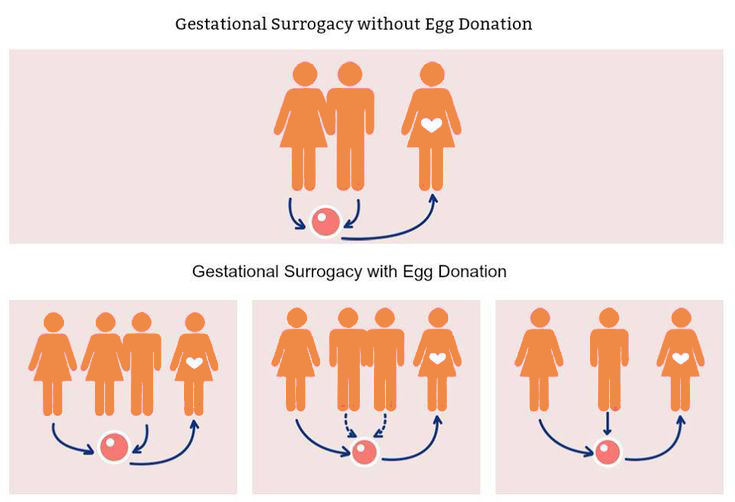
When a woman carries a pregnancy for another person or a couple, this is referred to as a Surrogacy arrangement. Surrogacy can be either a Gestational or a Traditional Surrogacy arrangement. A Gestational Surrogacy is where an embryo is created through IVF using the eggs of the Intended Parents or Donor eggs and the sperm of the Intended Father or Donor sperm and then transferred to the uterus of the Surrogate’s womb. The Surrogate will not biologically be related to the child/children as they have not contributed to the genetics of the embryo(s).

This is also true for Gestational Surrogacy where the embryo is created in a laboratory using the eggs of the Intended Parent(s) and/or Donor(s) and the sperm of the Intended Parent(s) and/or Donor(s). The created embryo(s) are then transferred to the uterus of the Surrogate Mother(s) who will carry the embryo(s) until the baby(s) are born. In such a case the Surrogate Mother(s) are not genetically related to the child(ren) and therefore do not have any biological link to them.
Surrogacy in Kenya could be an option for people who are unable to carry a pregnancy to full term due to medical reasons and wish to have a child with the help of assisted reproductive technology (ART). The decision for surrogacy should be taken after thorough assessment and discussions with a fertility specialist.
Is Surrogacy Legal in Kenya?

The status of Surrogacy laws in Kenya today is changing and therefore should be looked up by intended parents prior to entering into any agreement.
Kenya has laws in the pipeline to govern Assisted Reproductive Technology such as IVF, embryo and gametes, and surrogacy. The Assisted Reproductive Technology Bill, 2022 has been approved by National Assembly with amendments in November 2025 and it is currently before the Senate.
It is therefore wrong for people to be guided by outdated information found online when embarking on a journey of surrogacy in Kenya and they need to confirm the current legislative status and appropriate laws applying to their circumstances with a competent lawyer.
A proposed framework under the Assisted Reproductive Technology Bill seeks to regulate ART facilities, manage surrogacy contracts, frame the rights and duties of the intended parents and surrogate mother and ensure the welfare of a child born through ART.
Intended parents should not rely on outdated information on the internet to guide their decision on surrogacy in Kenya. All intended parents should seek the advice of an appropriately qualified Kenyan lawyer at the time treatment is to be undertaken.
Surrogacy Laws in Kenya – Current Legal Considerations
From the Parliamentary documentation, the legislation proposed by the Bill on Assisted Reproductive Technology, in relation to surrogacy specifically, spells out the conditions of eligibility for a Surrogate Mother; requirement for written agreements before activity takes place; rights and obligations of parties in Surrogacy Arrangements.
Under this version, the Surrogate Mother must be at least 25 years old and must have given birth previously at least once. She must be fully informed and must understand her rights and obligations under the agreement prior to the process commencing. Surrogacy arrangements will be entered into by the parties in writing prior to commencement of the process.
The amendments proposed also barred commercialism in surrogacy and proposed to regulate Altruistic Surrogacy within the aforementioned framework. Such is the current position of the Bill as it continues to go through the various stages of legislative consideration.
If you are a foreign national looking to have a child via surrogacy in Kenya, advice should also consider the laws of your country of residence, as these may affect issues of parentage, citizenship, registration of birth abroad and even entry into Kenya by the child and/or intended parents.
Who May Consider Surrogacy in Kenya?
However, they must note that not all people suffering from infertility can go for surrogacy. There are some medical conditions that can make it dangerous for a woman to carry a pregnancy for another couple.
Potential medical indications may include:
- Absence or significant abnormality of the uterus
- Medical conditions that make pregnancy unsafe
- Repeated pregnancy loss in selected cases
- Repeated unsuccessful fertility treatment in appropriate circumstances
- Previous medical treatment affecting the ability to carry a pregnancy
- Other conditions identified by a fertility specialist
Eligibility to pursue surrogacy is not based on whether the intended parent(s) are unable to conceive naturally. Rather, there are a number of factors that must be considered in order to determine whether surrogacy is the best option for any given individual.
Surrogacy Process in Kenya – Step by Step

A person’s journey to Surrogacy in Kenya can vary from case to case but generally follows the process detailed below.
1. Initial Consultation
The intended parents’ discuss their medical history, why they want to have a child and previous treatment at their initial consultation with a fertility specialist or patient coordinator.
2. Medical Assessment
The intended mother and/or father will be sent for the relevant fertility tests to assess if they have healthy eggs and/or sperm for use in the treatment.
3. IVF Treatment
Fertile eggs are collected from the woman’s ovaries and combined with the man’s sperm in the IVF laboratory. ICSI is also considered where necessary.
4. Embryo Development
After successful fertilization of the eggs by the sperm in the laboratory dish, the resulting embryos are left to culture in the laboratory. These embryos may be transferred fresh to the surrogate’s womb or frozen for later use as intended by the couple.
5. Surrogate Screening
The potential surrogate goes through medical, psychological evaluation as well as other relevant legal processes.
6. Surrogate Matching
Parents and Surrogate(s) are matched on a case by case basis based on the medical, legal and other requirements of the Program.
7. Legal Agreement
Intended Parents and Surrogate will both receive independent legal advice. Intended Parents and Surrogate will both sign required documents before the embryo(s) are transferred to the Surrogate’s uterus.
8. Preparation for Embryo Transfer
In preparation for Embryo Transfer, the Surrogate’s menstrual cycle is monitored and uterus prepared.
9. Embryo Transfer
The embryo(s) of the intended parents are transferred into the uterus of the surrogate mother.
10. Pregnancy Confirmation
A pregnancy test is conducted after the specified time and an ultrasound done to confirm whether the embryo has developed and is viable.
11. Pregnancy Monitoring
During the pregnancy of the surrogate she will receive regular antenatal care as well as medical care when needed.
12. Delivery
Delivery plans are made with Maternity and the relevant medical staff.
13. Birth and Documentation
After the birth of the child all relevant birth, parentage and other legal documents are prepared and completed according to the laws of Kenya.
14. International Travel
IVF is integral to gestational surrogacy arrangements. The embryo or embryos are created outside of the woman’s body and then transferred to the chosen surrogate at an appropriate time.
The IVF process includes the following steps: the female’s ovaries are stimulated to produce extra eggs, the eggs are collected from her ovaries, sperm is collected from the male partner, the eggs are fertilized with the sperm in the lab, the resulting embryos are allowed to develop in the lab, the best embryo is selected and transferred into the female’s womb.
Intended parents can use their own reproductive materials (eggs and/or sperm) as long as it is medically safe for them to do so. The fertility clinic will advise on the use of donor eggs and/or sperm as necessary and where legal in Kenya.
Surrogacy Cost in Kenya
The cost of surrogacy in Kenya will vary greatly from one program to another. Programs can include or exclude different medical treatments, IVF procedures, surrogacy-related costs, legal fees, etc.
A surrogacy budget may include:
- Fertility consultation and investigations
- IVF treatment
- Fertility medications
- Egg retrieval and embryology services
- ICSI, where recommended
- Embryo culture and storage
- Embryo transfer
- Surrogate medical screening
- Pregnancy monitoring
- Maternity and delivery expenses
- Patient coordination
- Legal services
- Travel and accommodation
- Birth and other documentation
- Immigration or consular-related expenses, where applicable
- Additional treatment if required
Since each case is unique, it is strongly recommended that would-be parents obtain a detailed written cost estimate showing what services are included and where additional charges might apply.
How Long Does Surrogacy Take in Kenya?
Even though pregnancy lasts about nine months, the total process takes way longer. This depends on several factors such as medical tests, the IVF treatment, the availability of the embryos, the screening and the matching process of the surrogate, the legal aspects before and during the pregnancy and the required birth and post-birth documentation.
As stated above the length of time for pregnancy is approximately 9 months. We always inform Intended Parents of how long the entire process will take and this includes time before pregnancy and after the birth of the child until all legal and travel documents have been completed and all travel is completed.
Intended parents from overseas should factor in enough time to be in Kenya and allow for the required immigration and documentation processes to be completed prior to their travel.
Legal Agreements between Intended Parents and the Surrogate
A surrogacy agreement is an important aspect to consider. The proposed Kenyan ART framework addresses written surrogacy agreements and the matters with respect to the care, upbringing and welfare of a child.
A legal agreement may address:
- Responsibilities of the intended parents
- Responsibilities of the surrogate
- Medical care
- Pregnancy-related expenses
- Communication and contact
- Delivery arrangements
- Medical emergencies
- Pregnancy complications
- Care and welfare of the child
- Parentage and documentation
- Other rights and responsibilities of the parties
It is intended parents’ best interest to seek independent legal advice as opposed to relying on the agency or clinic where they are entering into a surrogacy contract.
Birth Registration and Legal Parentage
Importantly, birth registration and legal parentage of a child born through surrogacy needs to be carefully considered in every case.
Children born through surrogacy can be affected in different ways by the applicable legislation, by the legal steps that have to be taken in a court, by the required documentation and by other circumstances of the intended parents. Kenya’s developing ART legislation contains provisions about children born by means of assisted reproductive technology as well as about proposed amendments concerning the birth registration of children born by means of surrogacy.
Moreover, it is also important for the International intended parents to find out how their home country recognizes children born by way of surrogacy and what other documents are required by their home country for the purposes of citizenship, a passport and travel.
Surrogacy in Kenya for International Intended Parents
A surrogacy program for foreign nationals is complex and is affected by both Kenyan law and the foreign national’s home country laws.
Before starting treatment, international parents should consider:
- Eligibility under Kenyan law
- Eligibility under their home-country law
- Medical treatment requirements
- Surrogacy agreement
- Birth registration
- Parentage documentation
- Embassy or consular requirements
- Passport and travel documentation
- Citizenship requirements
- Time required to remain in Kenya after birth
The requirements may vary depending on the nationality of the parents. Advice from a Kenyan lawyer and from the home country of the parents would be required.
How to Choose a Surrogacy Agency in Kenya
Carefully choosing a surrogacy agency or patient-coordinator is an important decision for would-be parents, and they should look for a agency that is transparent in all of their practices and has appropriate medical partners as well as clear legal practices.
Important factors include:
- Experience in fertility and surrogacy coordination
- Transparent pricing
- Qualified medical professionals
- Appropriate surrogate screening
- Psychological counselling
- Independent legal support
- Clear written agreements
- Pregnancy monitoring
- Communication throughout the journey
- Support for international patients
- Assistance with documentation
- Full explanation of the services included and not included.
Beware of Guaranteed Results. No fertility or surrogacy program can guarantee success in achieving a pregnancy or delivery of a healthy baby.
Medical Risks and Considerations
From the IVF process and fertility medication used to retrieve eggs, to the challenges faced during a pregnancy and the possibility of a C-Section or pre-term birth, a pregnancy can be fraught with risks and complications.
The surrogate should receive appropriate medical care throughout her pregnancy, and the intended parents should be aware of the potential medical risks prior to embarking on the program.
Ethical and Responsible Surrogacy
Responsible surrogacy programs look to protect the dignity, health and informed choice of all parties involved including the surrogate and the child.
Important principles include:
- Fully informed consent
- Independent legal advice
- Appropriate medical screening
- Psychological support
- Transparency about costs
- Protection against exploitation
- Respect for surrogate autonomy
- Confidentiality
- Appropriate medical care
- Focus on the best interests and welfare of the child
Why Consider Surrogacy in Kenya?
While fertility and IVF services are available in Kenya from good quality clinics, it remains a destination for patients from all over the world looking for reproductive health care. It is very important to remember that Surrogacy should be considered based on medical suitability, full understanding of all the legal requirements, financial means and each individual’s circumstances, and not just for the low cost.
It is also essential for intended parents to get to know the fertility clinic, the medical team and the entire support team, the screening process for the surrogate and the overall legal process.
Start Your Surrogacy Journey in Kenya
It’s an important medical, emotional and legal process that requires careful consideration and preparation beforehand to best understand the options, costs, and process involved for intended parents.
If you are contemplating Surrogacy in Kenya we shall outline all of the available fertility treatment options available to you and shall make the necessary introductions to relevant medics for consultation to further discuss your specific case in detail and the various steps involved in order to assist you in achieving your dream of having a child.
Contact us today to discuss how we can support you and help you through your journey to motherhood through surrogacy in Kenya.
Frequently Asked Questions About Surrogacy in Kenya
Is surrogacy legal in Kenya?
The legal framework for assisted reproductive technology in Kenya is currently under legislative development. The Assisted Reproductive Technology Bill, 2025 approved by the National Assembly is currently before the Senate. Intended parents would benefit from obtaining up-to-date advice from a qualified Kenyan lawyer prior to entering into a surrogacy agreement.
How much does surrogacy cost in Kenya?
The cost for surrogacy in Kenya can vary greatly from one program and individual case to another and would include the cost of IVF cycles, the cost of medication, the cost of the surrogate’s screening, her pregnancy care, the lawyer’s fees to set up and finalize the-surrogate agreement, the hospital and delivery costs, the costs of documentation, possible travel to and from the clinic for the Intended Parents, etc.
We would provide you with a written, itemized quote for your review and consideration.
How does surrogacy work in Kenya?
Gestational surrogacy begins with IVF, where embryos are created outside of the woman’s body and then transferred to the surrogate’s uterus to develop into a baby. The process of gestational surrogacy is complete when the baby is born and all the necessary medical procedures have taken place, followed by the legal and documentation requirements needed to confirm parentage.
Who can become a surrogate mother in Kenya?
Kenya’s proposed Assisted Reproductive Technology (ART) framework sets out criteria for would-be surrogate mothers in the country, including a minimum age of 25 years and the fact that she has had a previous child. We advise clients to confirm what are the current applicable criteria with a qualified Kenyan lawyer and/ or a Kenyan fertility clinic.
Is IVF required for gestational surrogacy?
Yes, IVF is required for a gestational surrogacy arrangement as an embryo is created outside the woman’s body and then transferred into the surrogate’s uterus.
Can intended parents use their own eggs and sperm?
Using intended parents’ own genetic material where possible: Where medically and legally appropriate, intended parents can use their own eggs and/or sperm to create embryos for transfer to a surrogate’s womb. The alternative would be to use donor gametes.
How long does surrogacy take in Kenya?
The duration of surrogacy varies depending on several steps involved; medical assessment, IVF, Surrogate screening and matching, legal work up, Embryo transfer, pregnancy and after birth documentation. Generally, a pregnancy lasts for 9 months.
What happens after the baby is born?
Following the birth of the baby, the appropriate medical processes and related legal formalities need to be completed. Intended parents need to obtain the necessary birth, parentage, citizenship, passport and other travel documents for them and their baby to return to their home country.
What should I check before choosing a surrogacy agency in Kenya?
Consider all of the above points when looking for a facilitation provider. Make sure they have good medical partnerships, proper surrogate screening, adequate legal support, clear pricing, a good process for documentation, and proper support of international patients. Also, be wary of any company that guarantees a successful pregnancy and birth.